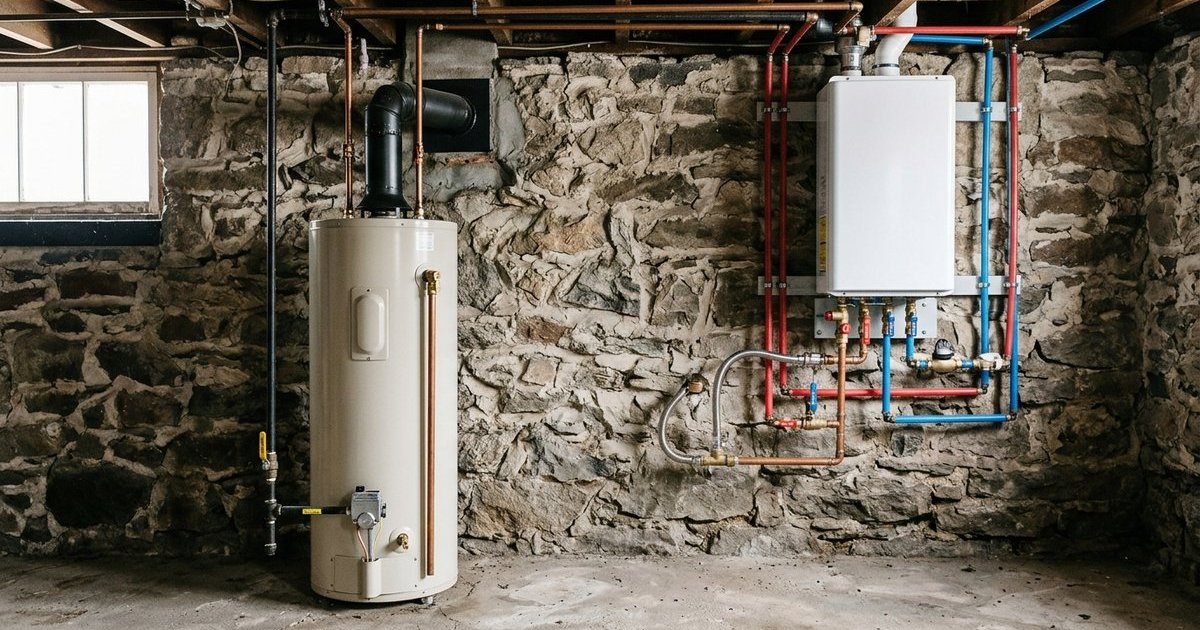
A tank-to-tankless conversion in Connecticut costs more than a tank replacement because of the work around the unit: a bigger gas line, new venting, a condensate drain and wall mounting. How much of that your house needs sets the price, so there is no honest flat number until someone traces your gas line and vent route. Guild Water Heater Experts checks all of it before quoting, starting with a free phone estimate from photos.
Why a Conversion Costs More Than a Tank Swap
Replacing a tank with another tank reuses almost everything: the gas connection, the chimney vent, the water lines and the spot on the floor. A conversion changes most of those.
A tankless unit heats water only while a tap is open, and it burns a lot of gas to do that in a few seconds. It vents through its own pipe instead of the chimney. Condensing models make a small amount of acidic water that needs a drain. And the unit hangs on a wall instead of standing on the floor.
That work is a one-time cost. Once the gas line, vent and drain are in, replacing the tankless unit years later is a much simpler job.
The Six Things That Set the Price
1. Gas line upgrade
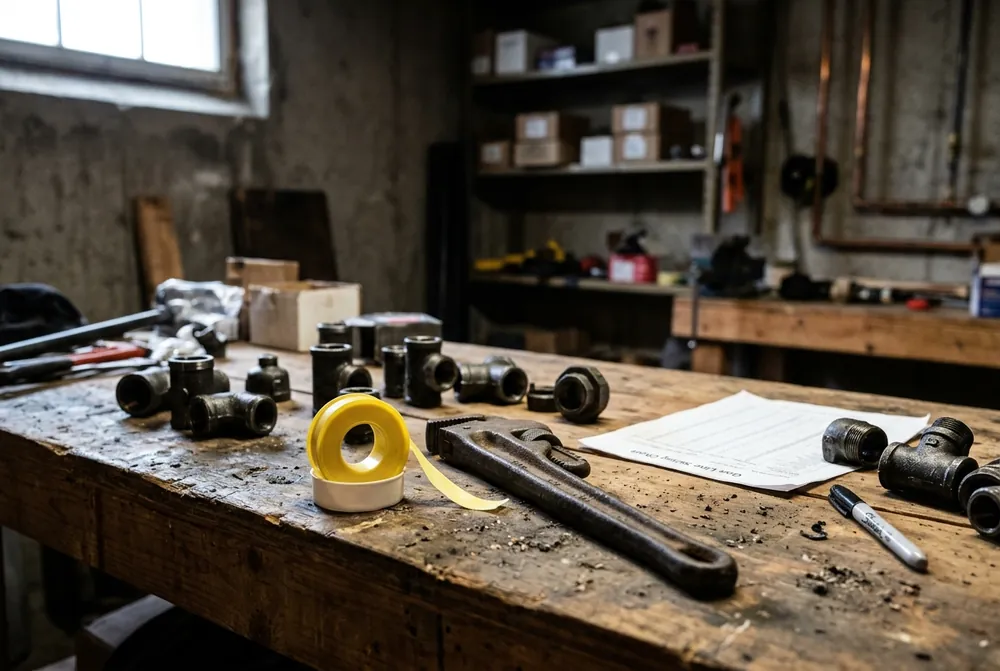
This is usually the biggest variable. The pipe that fed your old tank was sized for a small, steady burner. A tankless unit needs far more gas while it runs, so the line from the meter often has to be replaced with a larger one. A long run across a basement with several turns costs more than a short, straight run near the meter.
2. Gas meter capacity
Some homes need the gas utility to upgrade the meter before a tankless unit can go in, especially if the house also runs a gas boiler, range or dryer. That step is scheduled with the utility, so it can add time as well as cost. We check the meter rating at the estimate so it is not a surprise.
3. Vent route
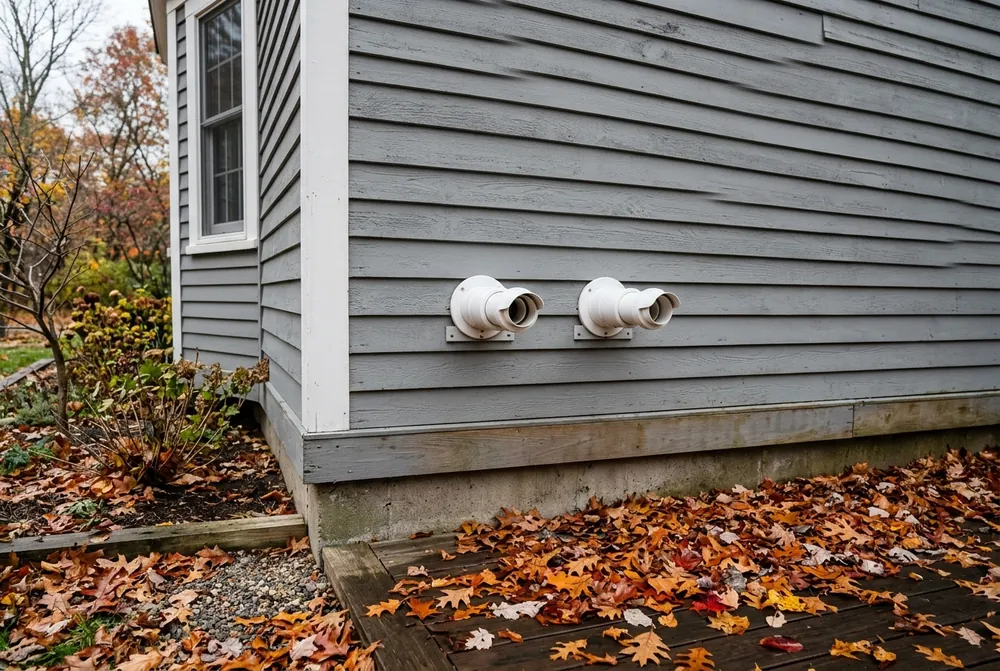
Most tankless units vent out a side wall or the roof through PVC or stainless pipe. A unit mounted near an outside wall with a short, clear vent run costs less. A unit in the middle of a basement, or one where the vent has to clear windows, doors and decks, takes more pipe and labor. Vent terminations also need clearances from windows and the ground, which shapes where the unit can hang.
4. Condensate drain
Condensing tankless units need a drain line to a floor drain, sink or condensate pump, and sometimes a neutralizer to protect the drain. If there is a floor drain close by, this is a small item. If the water has to be pumped up and out, it adds a pump and piping.
5. Unit size
A household that runs two showers and a dishwasher at once needs a larger unit than one that rarely overlaps. In Connecticut, sizing also has to account for cold winter groundwater, which lowers the flow a unit can deliver. A larger unit costs more to buy and may need an even bigger gas line, so sizing and gas work are priced together.
6. The old chimney or vent
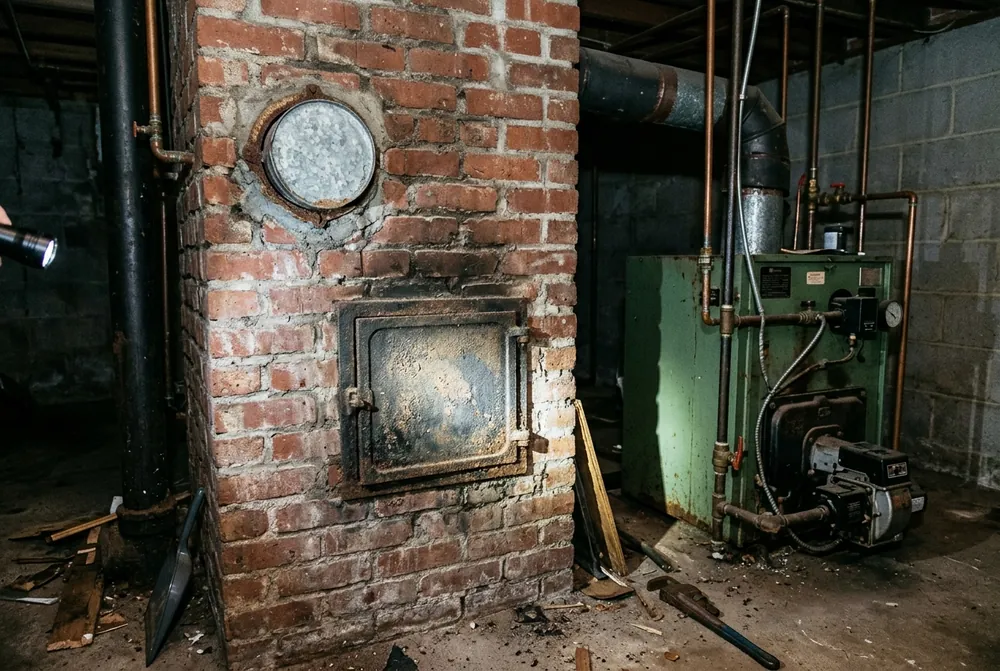
Many older Connecticut homes have the water heater sharing a chimney with a furnace or boiler. When the tank comes off, the chimney can be left oversized for the appliance that is still using it. Sometimes that means a liner or other change so the remaining appliance drafts safely. If the water heater was the only thing on its vent, the old opening gets capped.
Propane and Electric Homes
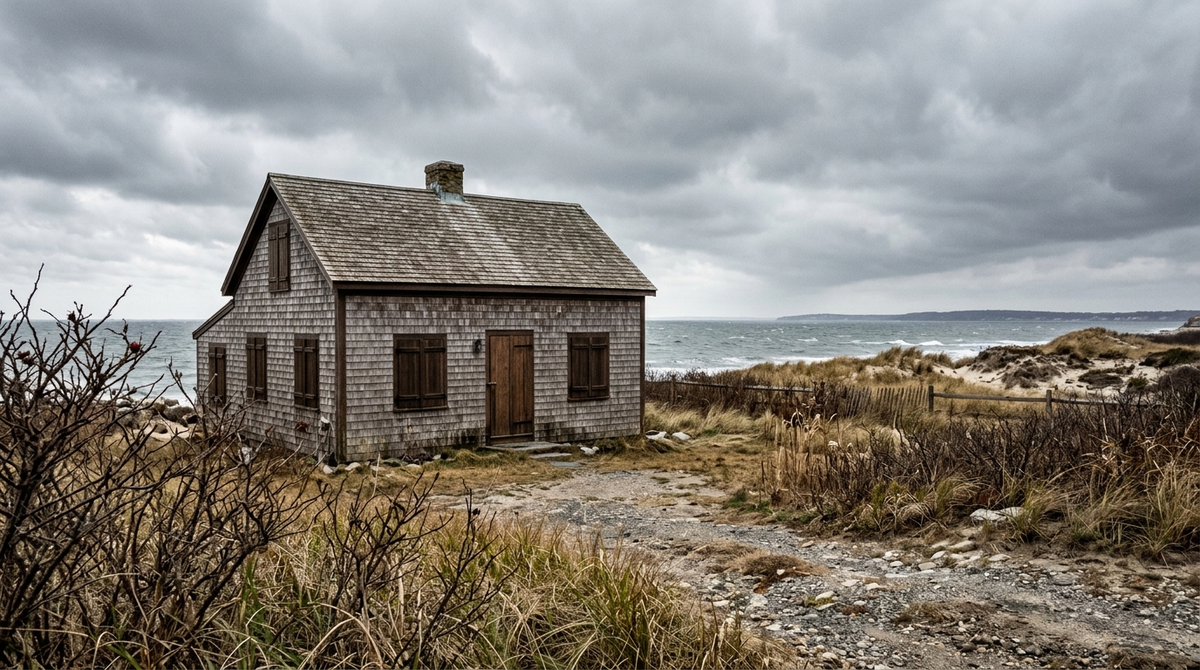
Natural gas is limited in many River Valley and Shoreline towns, so a lot of conversions around Chester, Haddam and Old Lyme are propane. Propane tankless units work well, but the propane tank, regulator and line all have to keep up with the unit while it runs. A regulator or line that is fine for a tank may need upgrading.
Electric tank homes have two paths. A whole-house electric tankless unit draws a lot of power, and many panels cannot supply it without a service upgrade. Switching to a propane tankless unit means new gas piping and venting from scratch, so it takes longer, usually two days or more. We look at your panel and fuel options before recommending either.
What a Complete Conversion Quote Should List
When you compare quotes, check that each covers the same work. A low number often means something on this list is missing.
| Line item | What to look for |
|---|---|
| The tankless unit | Brand, model, fuel type and flow rating in writing |
| Sizing | How many fixtures it was sized for, and for winter water |
| Gas line | New line size and route from the meter |
| Gas meter | Whether a utility meter upgrade is needed, and who arranges it |
| Venting | Vent material, route and exit point |
| Condensate drain | Drain route, and pump or neutralizer if needed |
| Service valves | Isolation valves so the unit can be descaled yearly |
| Old tank | Draining, disconnecting and hauling it away |
| Old chimney or vent | Capping, or changes so the remaining appliance vents safely |
| Permit | Whether it is included or left to you |
| Start-up | Leak test, flow test at several taps, controls walkthrough |
Ask about the permit
Connecticut towns generally require a permit for gas and water heater work. Check with your town building department, and ask each contractor whether the permit is in their price.
Ask for license numbers
Gas piping and venting are licensed work in Connecticut. Ask for the license numbers and check them. Ours are CT HTG.0410608-S1 and CT HTG.0405787-OE2 for heating, which cover the gas line and venting, and CT PLM.0292074-P2 for plumbing.
Is the Higher Upfront Cost Worth It?
That depends on how long you will stay and how you use hot water. According to ENERGY STAR, a certified gas tankless water heater can save a family of four about $95 a year on gas bills compared with a standard gas storage model, and tankless units have a life expectancy of about 20 years. A typical tank lasts 8 to 12 years, and hard well water often shortens that.
So the math favors a conversion when you plan to stay for years and will keep up with a yearly descale. If you might sell soon, or your gas line and vent route make the conversion unusually large, a new tank can be the better value. Our post on tankless vs tank water heaters in Chester walks through that choice.
Ways to Keep the Cost Down
Convert before the tank fails
A failed tank means no hot water, and a conversion with gas line and venting work can take a day or two to plan. Converting while the old tank still works lets you schedule it, compare quotes and avoid paying for a rushed tank swap first. If your tank is 8 years old or more, it is a good time to get an estimate.
Pick the mounting spot with the vent in mind
A spot on an outside wall, close to the meter and near a floor drain, keeps the gas, vent and drain runs short. We will point out where that spot is in your basement.
Size it right, not big
An oversized unit costs more and may need a bigger gas line than you really need. Sizing to your real overlap of showers and appliances, for winter water, keeps both down.
Look at rebates and incentives
Programs change each year. Guild Water Heater Experts is a registered Energize CT contractor and can help you check what applies to your home. Energize CT lists current programs.
Protect the unit from day one
On hard well water, scale is what shortens a tankless unit's life. Service valves at install and a yearly descale through our water heater maintenance service protect the investment.
What Happens at the Estimate
A licensed technician measures your gas meter and lines, finds the vent route, looks at where the unit will hang and where the condensate can drain, and checks the chimney your old tank uses. We ask how your household uses hot water and size the unit for winter. You get a written quote that lists the work.
Want a rough idea before a visit? Text us photos of your water heater, its label and the area around it, and we will call you back with a free phone estimate.
Plan Your Conversion with Guild Water Heater Experts
Guild Water Heater Experts is an owner-operated, licensed and insured company based in Chester and run by Erik Anderson Sr. We handle the gas line, venting, mounting and old tank removal in one job across the CT Shoreline and River Valley. Read more about our tank-to-tankless conversion service, or see tank-to-tankless conversion in Chester for local details.
Call (860) 510-6899, book online or contact us to get your free phone estimate.